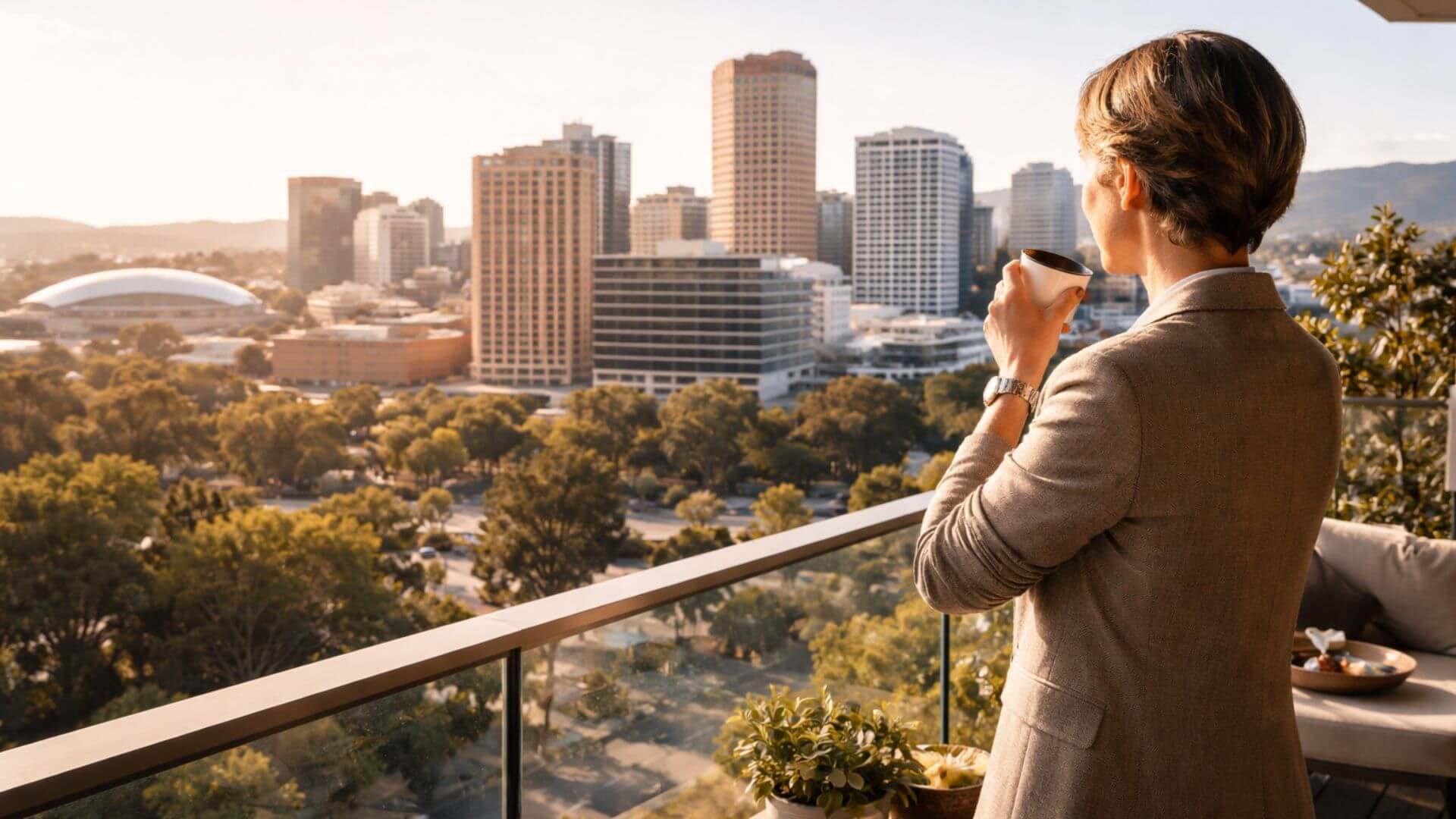
The way we build and live in South Australia is shifting. In 2026, we are seeing a move away from traditional housing styles toward options that are designed to be faster to build and cheaper to run. This change in property development is being led by new building rules and local government support. Whether you want to buy a home or just want to know what is happening in your area, these five trends are currently shaping our state.
City living reimagined through property development
Instead of knocking down old office buildings, some builders are now using “adaptive reuse.” This is a major focus in Adelaide right now, supported by the Adaptive Reuse City Housing Initiative (ARCHI). This project helps turn empty office spaces into residential apartments. It is a way to create more housing in city locations without losing the existing architecture. Using what is already built is often better for the environment than starting from scratch, and it helps bring more people back into the city centre.
Faster build times with modular property development
Speed is a major factor in 2026. Because traditional building can take a long time, more projects are using modular and prefabricated methods. These homes are built in sections in a factory and then moved to the site to be put together. This process can reduce the time spent on-site to just a few weeks. This method is becoming a common way to provide housing more quickly to meet the high demand across South Australia.
The rise of 7-star energy rated homes
Building a home that uses less energy is now a standard requirement in property development. Most new homes in South Australia must now meet a “7-star” energy rating. These houses use better insulation and window placement to catch the winter sun. This helps the home stay at a steady temperature without as much need for artificial heating or cooling. For those living in these homes, it can lead to a saving of around $450 a year on power bills.
Integrated communities in growth corridors
As the population grows, the design of new suburbs is changing. In the North and South of Adelaide, we are seeing “integrated communities” rather than just rows of houses. These areas are designed so that schools, shops, and parks are all within a short walk of the home. This “15-minute suburb” model makes it easier for residents to access everything they need for daily life without having to rely solely on a car.
Modern infill and the evolution of property development
In suburbs near the city where land is limited, there is a trend toward “infill” projects. This usually involves replacing one older house with three or four modern townhomes. This type of property development allows more people to live in established areas that are close to jobs and transport. These projects are designed to maximize the use of space, providing functional homes with private outdoor areas on a smaller block of land.
What is next for your property journey?
Staying informed about these shifts is a good way to understand the choices available to you. Property development is constantly changing to meet the needs of South Australians, and we are here to help you understand what those changes mean for your future.
Want to learn more? We will be sharing more information soon on how to navigate the current market. Keep an eye out for our next guide!
If you want to discuss your goals or see how these trends affect your local area, our team is here to help. Contact us today for a simple chat about your next move.
This article provides general information only and does not constitute legal, financial or professional advice. The information in this article was accurate to the best of our knowledge at the time of writing; however, laws, regulations and market conditions may change. Readers should consider their own circumstances and undertake their own due diligence before making any decisions, and seek appropriate professional advice where necessary.