
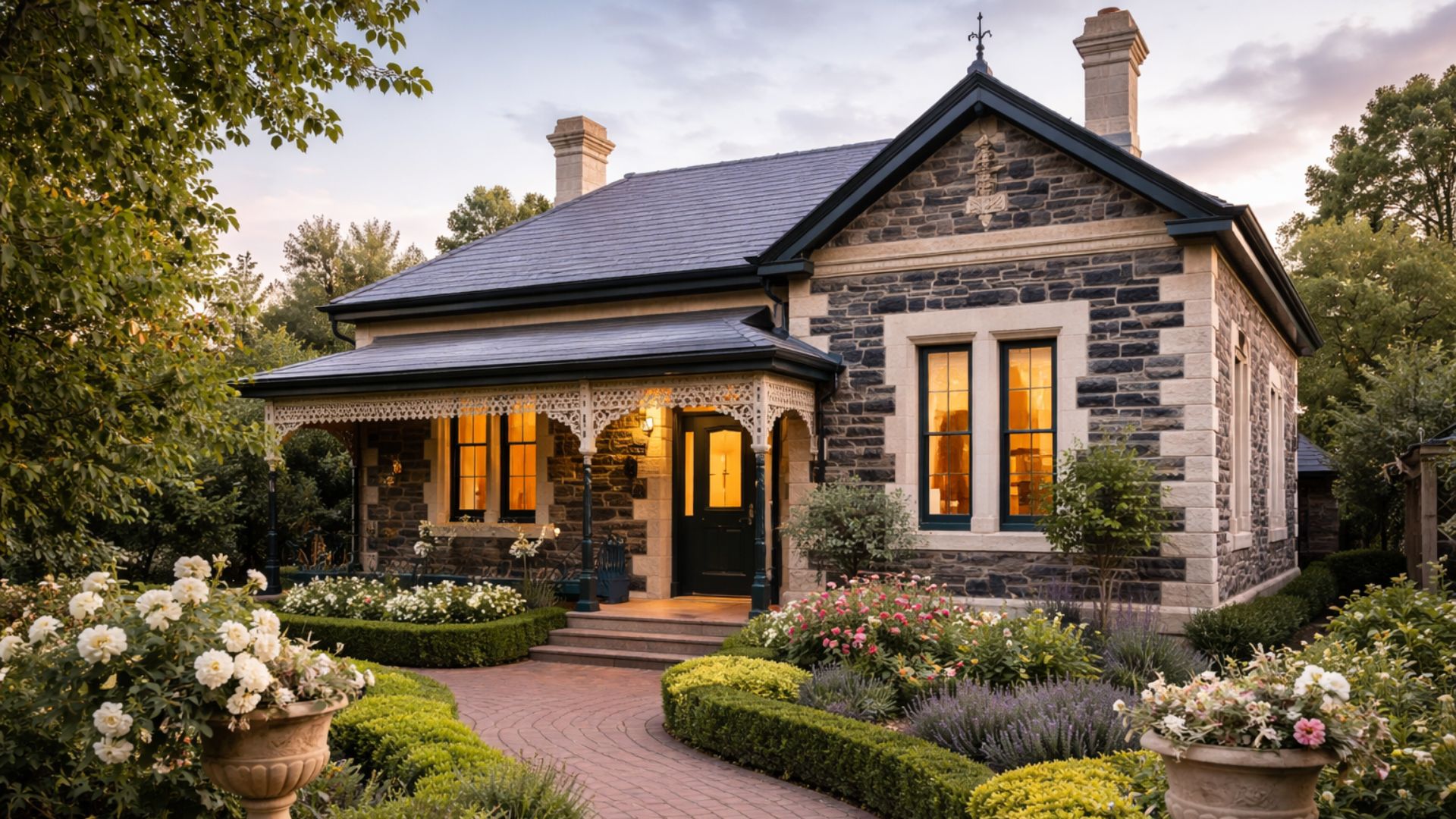
Renovating a heritage home in Adelaide can be a deeply rewarding project. These properties are rich in character and history, but they also come with extra steps and planning requirements. To carry out a successful heritage home renovation that respects both the home and the rules around it, it’s important to be informed and prepared.
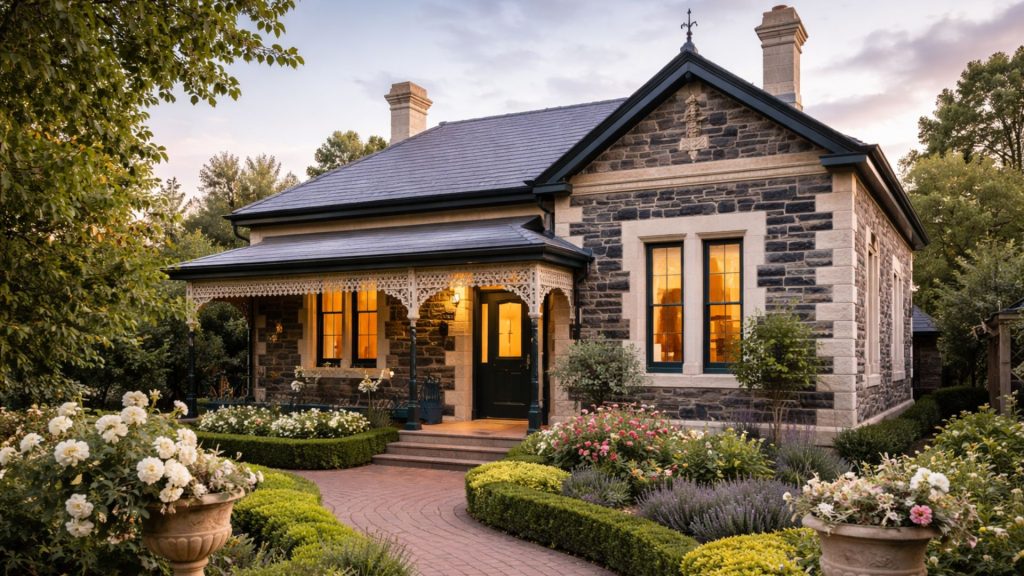
Heritage home renovation: Check the legal status
Before you make any changes, check whether the property is listed as a heritage place under South Australian planning controls. Some homes are protected at a state level, while others have local heritage overlays. In Adelaide, this can include well‑known character areas with older housing stock.
Knowing the heritage status early, influences what work will need approval. Most external changes (particularly those visible from the street) require development approval through council. If the home is listed as a State Heritage Place, additional requirements may apply and council may refer your plans to Heritage SA for review.
Working with professionals experienced in heritage home renovation
Heritage homes were built using methods and materials that differ from modern construction. Because of this, it’s valuable to work with professionals who have heritage experience. Heritage architects, designers and builders can help you prepare plans that meet council expectations and protect the integrity of the original structure.
Involving the right professionals early in the process often means fewer design revisions and a smoother approval pathway. It also helps ensure decisions about materials, finishes and structural changes are made with both history and compliance in mind.
Protect original features during your heritage home renovation
One of the most important aspects of a heritage home renovation is preserving the features that give the property its special character. Original fireplaces, decorative ceilings, leadlight windows and timber floors are often key contributors to a heritage home’s appeal.
Local councils typically expect these elements (especially on street‑facing façades) to be kept or restored rather than removed. If something is too damaged to retain, replacements generally need to closely match the original in style, proportion and material.
Choosing materials that suit the home’s era
When planning work on walls, roofing or external features, the materials you choose matter. Many heritage homes were built using solid plaster, stone or specific timber profiles, and using modern materials that clash with the original fabric can draw negative council feedback.
For internal spaces or rear additions, there’s often more flexibility. However, even internal changes should be considered carefully to ensure the overall renovation feels cohesive.
Allow for time and budget
Heritage renovations often take longer and cost more than standard home updates. Council approvals can take weeks, and specialist trades may have limited availability. Unexpected issues (such as older wiring, weakened structural elements, or hidden rot) are common and can add cost.
Planning an adequate timeline and budget, with some flexibility for surprises, helps keep the renovation on track without unnecessary stress.
Doing due diligence before you buy
If you’re thinking about buying a property with renovation in mind, doing your homework beforehand can make a significant difference. Arrange a thorough building inspection from someone familiar with older construction.
Check local planning overlays early and, if possible, speak with council planners about your intended renovation direction. What may seem straightforward from the outside can sometimes carry considerable constraints under the planning code.
Well‑planned heritage home renovations stand the test of time
Heritage homes are an important part of Adelaide’s architectural fabric. When approached with care, a heritage home renovation can result in a living space that balances character with modern comfort.
While the process may involve extra steps, approvals, and specialist input, the outcome, a home that feels timeless and well‑crafted, can be truly special.
Looking to buy or sell your heritage home, contact our friendly team.
This article is for general information only and does not constitute legal or planning advice. Regulations vary between councils, and requirements may change. Always check with your local authority or engage a qualified heritage consultant before starting any renovation work.